Tuesday, 2 April 2019

Learning Aim C

Joseph Simmons
31 St Aiden’s Terrace
Houghton Le Spring
County Durham
DH4 4LZ
07917 841033
I am an eighteen year old media student, with a passion for new experiences and meeting new people.  I am a driven young person with an outgoing personality and with my previous work experience, I understand the work environment and the importance of professionalism.
I feel I could add value to your business by providing excellent customer service and I am keen to learn more about the restaurant industry.

Work Experience
Support Assistant
BPP Visual – Washington
September 2015 – Present
My work responsibilities at BPP include tasks such as making and receiving calls to potential, as well as established clients.  I have developed good interpersonal relationships with clients and partners, whilst arranging and receiving deliveries.  I am personally responsible for receiving valuable stock and carry out stock takes to reconcile against the database.  I also carry out any other task that the Directors ask of me

Education
Sunderland College – Bede Campus
BTEC Level 2 in Media Studies
Sept 2017 – June 2019 – Predicted grade, Merit
Internet Safety Award

Oxclose Community Academy
9 GCSE’s Grades A-C
2012 – 2017
GCSE’s in English Language, English Literature, Science, Additional Science, Art, Media Studies, Business Studies, ICT, Citizenship

Additional Information
I am competent in all Microsoft office packages and can pick up new software/CRM systems easily.  Whilst at College I have completed a short course in Internet Safety.
I am currently learning to drive.
I enjoy socializing, listening to music and walking my dog.

Future Job Prospects in Media Studies  
I have found I most enjoy radio presenting and editing in while at Sunderland College. Therefore, I would only consider a job in or around the general area of radio presenting or directing. As well as this I would consider future work in editing, such as Photoshop or Premier Pro, as I have found that I have a deep knowledge of these software’s and programs.

Radio Presenting 
Certain quality traits and a certain skill set are needed: for example, confidence, this is something that is essential to this role, speaking in front of people and putting your own work into the world for people to judge is difficult to even the most self confident individuals, time management, this is possibly the most important trait if not the, this is due to the job being so time orientated, if you miss a deadline or are late to the job hundreds or even thousands of people could be disappointed and have a right to complain. The adverts and time gaps need to be tamed perfectly enough to flow as a single show, preparation, shows need to be written and prepared for within suitable content, it is essential to making the show enjoyable and to make people more likely to listen again.

Thursday, 28 March 2019

Film Editing

Types of Editing for Films and TV
Continuity Editing 
The process in video creation, of combining related shots, or different components cut from a single shot, into a logical sequence so as to direct the viewers attention to a story across both time and physical location.
It creates the illusion of smooth continuous action, hence the viewer will not notice the transaction between shots and their focus will be narrative driven.
Non Continuity Editing
This is when shots are miss matched to disrupt the impression of time and space. This draws the audiences' attention to the process of cutting and disturbs the illusion of 'reality'.
What is Editing Used for In Moving Image Productions 
Editing in these such productions can be used for a multitude of things such as: manipulating time, including speeding up and slowing time, compressing time and stretching time, such as a montage(for example The Rocky saga), perception of space, this creates a logical and believable space between characters or objects not sharing the same shot, and helps the audience orientate themselves, controlling rhythm and pace to control the flow of the production(e.g. high tempo action, slow tempo to create tension).
Functions of Editing for Film and Television 
Editing is used to create a narrative, it can be used to create motivational narrative, this is whats called motivational editing. It can be used to develop drama as well as providing and withholding information from the audience.
Continuity Editing 
This can be used to create continuity between two shots, it can also be used to follow the action, it can be used to change locations and finally it can be used change the time frame including the use of flashbacks. Continuity editing is the process, in film and video creation, of combining more or less related shots, or different components cut from a single shot, into a sequence so as to direct the viewers attention to a pre-existing consistency of story across both time and physical location.
Engagement      
It can also be used to engage the audience, for example: engaging the viewer, creating suspense and creating pace.
Creating Meaning 
It can be used to create meaning for example juxtaposing elements within editing, creating empathy for a character and creating bias in fiction or documentary editing.
To show that these techniques are understood I will be analyzing a number of clips showcasing a majority of editing techniques.
Battleship Potemkin realized in 1925 and directed by Sergei Eisenstein was one of the most influential silent films of its time, receiving international fame. Throughout numerous scenes Russia's social, political and economic factors play a role in shaping the so called master piece today. The Odessa Steps Sequence begins with common people cheering the sailors, but in a single moment the joy and excitement of the scene is extinguished as they are attacked from the top of the stairs. The audience is as surprised as the character of film as they too were unaware of what was happening on the other side of the staircase. We see the soldiers with Eisenstein use of Mass effect with the large group of soldiers moving closer and closer to the people. We know that what appear to be victims are commoners due to their items of clothing. The devastation was shown through Eisenstein's use of montage, a popular technique involving the soviet montage theory. Some of these shots are used to show political agitation.
Parallel Editing
Parallel editing (cross cutting) is the technique of altering two or more scenes that often happen simultaneously but in different locations. If the scenes are simultaneous, they occasionally culminate in a single place, where the relevant parties confront each other. In the scene from Way Down West cross cutting is used to make the audience feel tense and on edge. The camera shows the struggle of the main character and then the force and veracity of the waterfall. The camera gradually pans closer and closer to the waterfall showing its power and the woman's struggle as she stumbles over the ice.
The use of parallel editing in the Silence of the Lambs adds a tense feeling to the scene, the quick cuts of the murder to the police makes the audience feel just as tense and worried as the police themselves in this scene, as well as this the scene is long and drawn out to build suspense with the audience. This scene adds a layer of suspense as well helping the pacing of the narrative. It also gives the audience more in depth visual information for the narrative.
Montages 
A montage, which is a sequence of short shots that are edited into a short clip often played behind music. This technique is used to compress time, space and information. They show the audience vital information, for example, The Rocky three montage compresses months of weight and respiratory system training into only minutes of footage. This shows the audience a difference from beginning to end of Rocky's transformation, which gives the audience a perspective of the time missed as well as giving them hope of the character completing the task they need to overcome. Montages are mainly used to show a character (often a central one) over coming a problem, dilemma or task. They are widely used in the 'Rocky' and 'Creed' trilogies. They are used to show the audience that the character is physically and mentally ready for the challenge ahead.
The clip taken from Team America is much like the montage from Rocky, Rocky is mentioned in backing music mid way through the montage, however, there is one large difference between that of the two films, one is a spoof of the other. A spoof  is a comedy attempt at another creators work. They are used for the same reasons as that of Rocky, to show improvement and progress the story and character in the narrative. It is unlike a traditional montage in the ways that it is put in place to make the audience laugh as well as progress the narrative. The editing of quick cuts and jumps are used to progress the clips as well as keep the viewer entertained throughout the clip. The music used adds to the comedic effect of the scene by mentioning the practices name and referencing other works of media that have featured montages, this is not typical of a montage they are often used to add tension or dramatic effect to a scene.

Thursday, 21 March 2019

Exam Notes

Primary research 
qualitative and quantitative data quality in quantity
interviews and surveys
two sources, interviews and surveys
Secondary research 
four different sources, mix of both , websites, books and comics
no more than ten all together
have to refer to the stimulus material, refer to the last mock
Catalog of sources(Harvard referencing)
3/4 sides of size ten font A4 (only bullet points/diagrams)
Notes need to be collected and submitted with exam paper
five questions to answer(spend 24 minutes on each question)
five weeks to prepare
*interpret the topic with with detailed consideration of the validity of the information, referring to research sources and examples to support your points
*discus the significance of the impact in relation to media debates connected to the article
*appraise the impact on media production in a balanced way, following chains of reasoning


Wednesday, 20 March 2019

Single Camera Techniques

The single camera set up, or single camera mode of production, is a method of filmmaking and video production. In this set up, one camera is used to take all of the various shots used in the final product of production. Since there is only one camera the camera needs to be moved and re adjusted to get each new shot or angle.
If a scene cuts back and forth between actor one and two, the director will first point the camera towards one and run part or all of the scene from this angle, then move the camera to point at two, relight and re adjust, then run the scene through from this angle.
Choices can then be made during post production editing stages, for example when to cut back and forth between the two(there are often more) angles.
By contrast, a multiple camera set up consists of multiple cameras arranged to capture all of the different camera angles of the scene simultaneously, and the set must be lit well to accommodate all of the cameras set up around the studio.
Multi camera production generally results in faster but less versatile videography, where as the single camera set up is more time consuming but gives the director more control over the shots used.
Single camera set ups are normally utilized for prime time dramas, made for TV movies, music videos and commercial advertisements.
Soap operas, talk shows, game shows, most if not all reality television series, and sitcoms, more frequently used this camera set up.
Though multi camera set ups were very normal for US 1950s sitcoms, the 1960s saw increased technical standards in situation comedies, which came to have larger casts and used a greater number of different locations in episodes.
Several comedy series of the era also made use of feature film techniques. To this end, many comedies of this period used the single camera techniques method.
Apart from giving the show a feature film style, this technique was netter suited to the visual effects frequently used in these shows. These effects would have been difficult had the shows been shot with a multi camera set up.
By the mid 1970s, with domestic situation comedies in vogue, the multi camera shooting style for sitcoms came to dominate and would continue to do this throughout the 80s and 90s, although the single camera format was still seen in television series classified as comedy drama or 'dreamed'.
In the 2000s, television saw a resurgence in the use of single camera techniques in sitcoms.
Multi camera shooting is the only way that an ensemble of actors presenting a single performance before a live audience can be recorded from multiple perspectives. Also for standard, dialogue driven domestic situation comedies, the multi - camera technique, which is cheaper and takes less production time.
It may be deemed preferable to use the single camera technique especially if specific camera angles and camera movements for a feature film - like visual  style are considered crucial to the success of the production. Likewise these productions often feature varied locations/no live audience/ no laughter track.
Soap Operas 
Due to time constraints, large casts and crews, and ready made specifically designed to sets, and dialogue driven narratives, soap operas commonly employ multi - camera techniques over single.
Drama
Conversely conventional drama employs single camera techniques similar to film, smaller central casts, less pressure in terms of volume/ time constraints of production, larger locational ranges and in recent years, TV drama has become an active competitor to film the industry, therefore the need to produce something with more versatility and artistic control is paramount.
Corporate Videos 
Short films made to promote business, often made in vocational surroundings, so need for flexibly/ ability to work in non designated spaces, they often use voiceovers/ imagery therefore less interaction with a large cast, 'talking heads' interviews are often used, static single camera with one lighting set up.
Cost Benefits 
Less equipment is required - you don't have to find funding to purchase / hire a range of camera and associated additional materials such as: tripods, lenses and microphones can drive up the cost.
Because of this it enables budgets to be achieved more realistically, this is especially important in certain scenarios, for example: small budgeted independent projects, corporate video and less commercial material productions.
Because you require less equipment, you also require less staff to operate it, again saving costs in wages.
Logsical costs can also be required in terms of the facilities required to transport and store larger and heavier quantities of the equipment. Productions require much less space than a more complicated multi camera setup.
Simplifying the Filming Process
Set ups can be streamlined to support a leaner shoot for example you don't need to worry about additional cameras appearing in the shot.
Multiple camera productions often require additional setup time to achieve suitable lighting. The best lighting is limited to one angle, and therefore having to ensure people have to be well lit and shot from three or four angles at the same time (as they normally are in multiple camera video production), there will invariably have to be some compromises.
Another additional advantages of single camera (film or video) dramatic production in that scenes don't have to be shot in sequence.
In fact, seldom does a scripts chronological sequence represented the most efficient shooting order. The final sequence of scenes is arranged during editing.
In this instance it is not always essential to have all actors available at any one time.
It offers more benefits such as: the director has more control over each and every shot, the production will feel more personalized and allow the audience to be submerged into the diegesis, (potentially) far  less film is used/wasted when filming with one camera, existing stylized camera angles, the footage can be shot in clusters so that the cast and crew can have breaks from set, a variety of locations can be utilized due to the amount of equipment used, single camera productions can be created on much tighter budgets, the lighting for each shot is individual, therefor more controlled for each shot, it is possible to still produce a master shot for each scene as well as individual angles and finally multiple run - throughs can help actors get into character.
Time Consuming 
In a single camera production you are limited by the ability to film only one angle at a time. This means multiple individual takes are required to allow for a variety of camera angles in the final edit. Although this allows for greater creative control (for things such as lighting), it takes longer both in production and post production to assemble a suitable sequence.
Due to the ability to shoot one shot at a time, very carful staging needs to be employed, this is to ensure continuity and carful matching in the editing process.
Potential Challenges for Actors 
There is a danger you achieve less natural reactions from actors who are required to engage with one another on screen as only one shot is filmed at a time, and this may impact on the 'flow' of the piece.
For example: it can be a lengthy and time consuming process, it is (potentially) more expensive than multi camera production due to the length of filming, it is a personal choice to film using the single camera format and not everyone on the project may agree, continuity errors are far more frequent and finally the action filmed can start and stop continuously which might be aggravating and appear stunted and stilted on camera.
Shot Types 


Related imageEstablishing Shots, an establishing shot in film making and television production set ups, or establishes the contact for the next sense by showing the relationship between its important figures and objects. For example, this shot taken from a scene in the Shining.
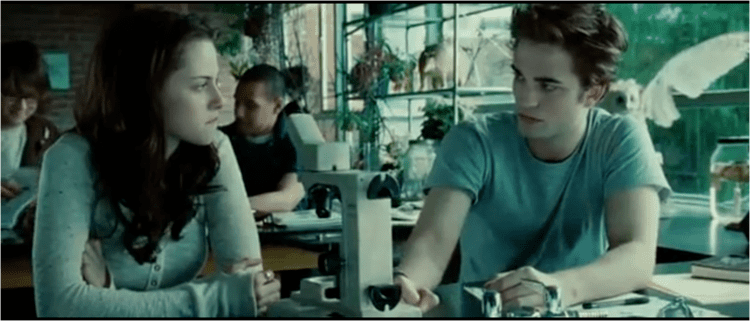
Image result for master shot


Master shot, a master shot is a film recording of an entire dramatized scene, from start to finish, from an angel that keeps all characters in view. It is often a long shot and can sometimes preform a dual function of acting as an establishing shot. For example, this is a screenshot taken from the film Twilight.


Image result for tracking shot


A tracking shot is any shot where the camera moves backwards, forwards or alongside the subject being recorded. In cinematography, the term refers to a shot in which the camera is mounted onto a camera dolly that is then placed onto rails. For example, this shot from Pulp Fiction.
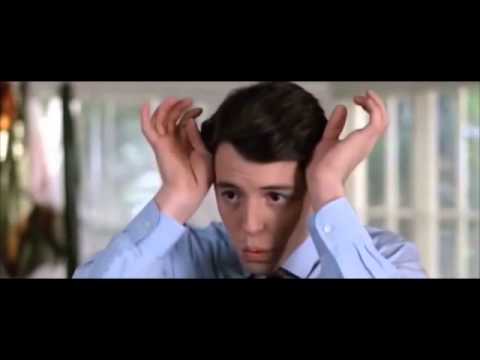
Image result for cut in shot example


Cut ins/ cut aways, in film and video, a cutaway shot is the interruption of a continuously filmed action by inserting the view of something else into the shot. It is usually, though not always, followed by a cut back to the first shot, when the cutaway avoids a jump cut. For example this scene from Ferris Bueller's Day Off.
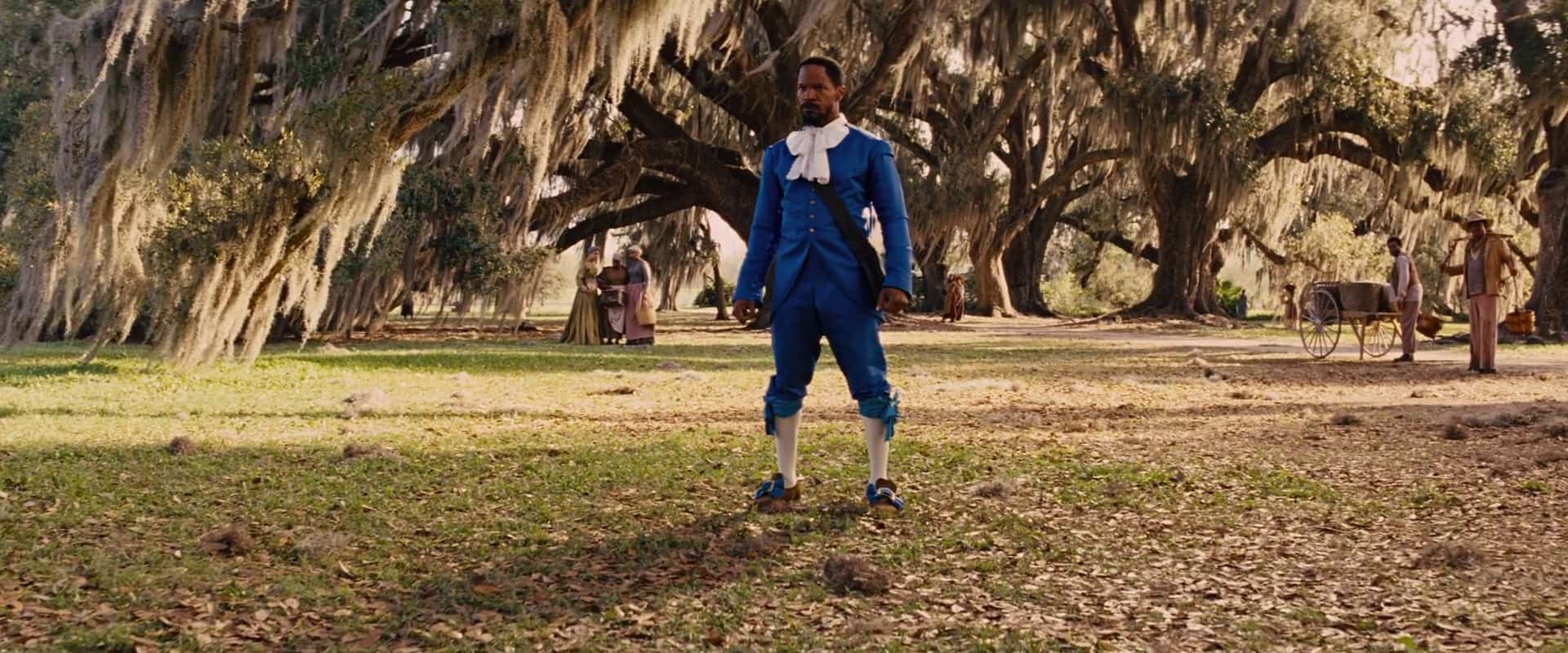
Image result for wide shots


In photography, filmmaking and video production, a long shot (sometimes referred to as a full shot or wide shot) typically shows the entire object or human figure and is usually intended to place it in some relation to its surroundings. For example, this is a screen shot taken from Django Unchained.
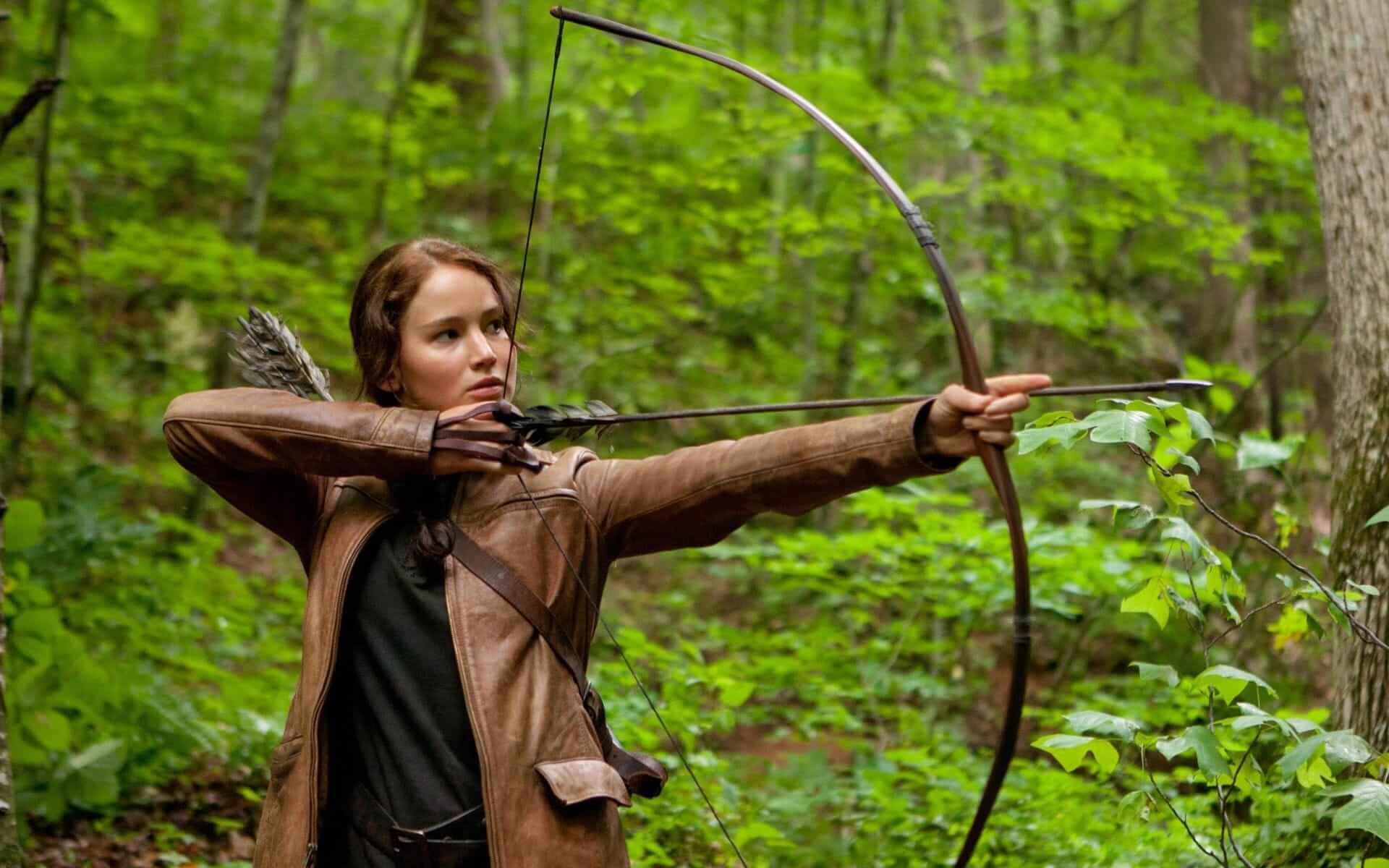


Image result for medium shotsMedium shot, a media shot is a general, all propose shot, medium shots are used for dialogue sequences, and they allow the viewer to pick up the characters movements and gestures. Body lanugue is important to conveying emotion and a medium shot remains close enough to capture that emotion. For example, this screenshot taken from the Hunger games Franchise.
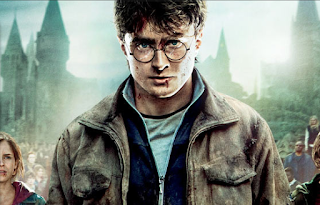


Image result for medium close up shot example


A close up in filmmaking, television, still photography an the comic strip medium is a type of shot that tightly frames a person or object. Close ups are one of those standard shots used regularly with medium and long shots in cinema. For example this screenshot taken from Harry Potter.


Image result for extreme close up shot


Extreme close up, this shot is used to show extreme detail. You would normally need a reason to get this close to a subject. It is too close to show general reactions or emotion except in very dramatic scenes. A variation of this shot is the choker.
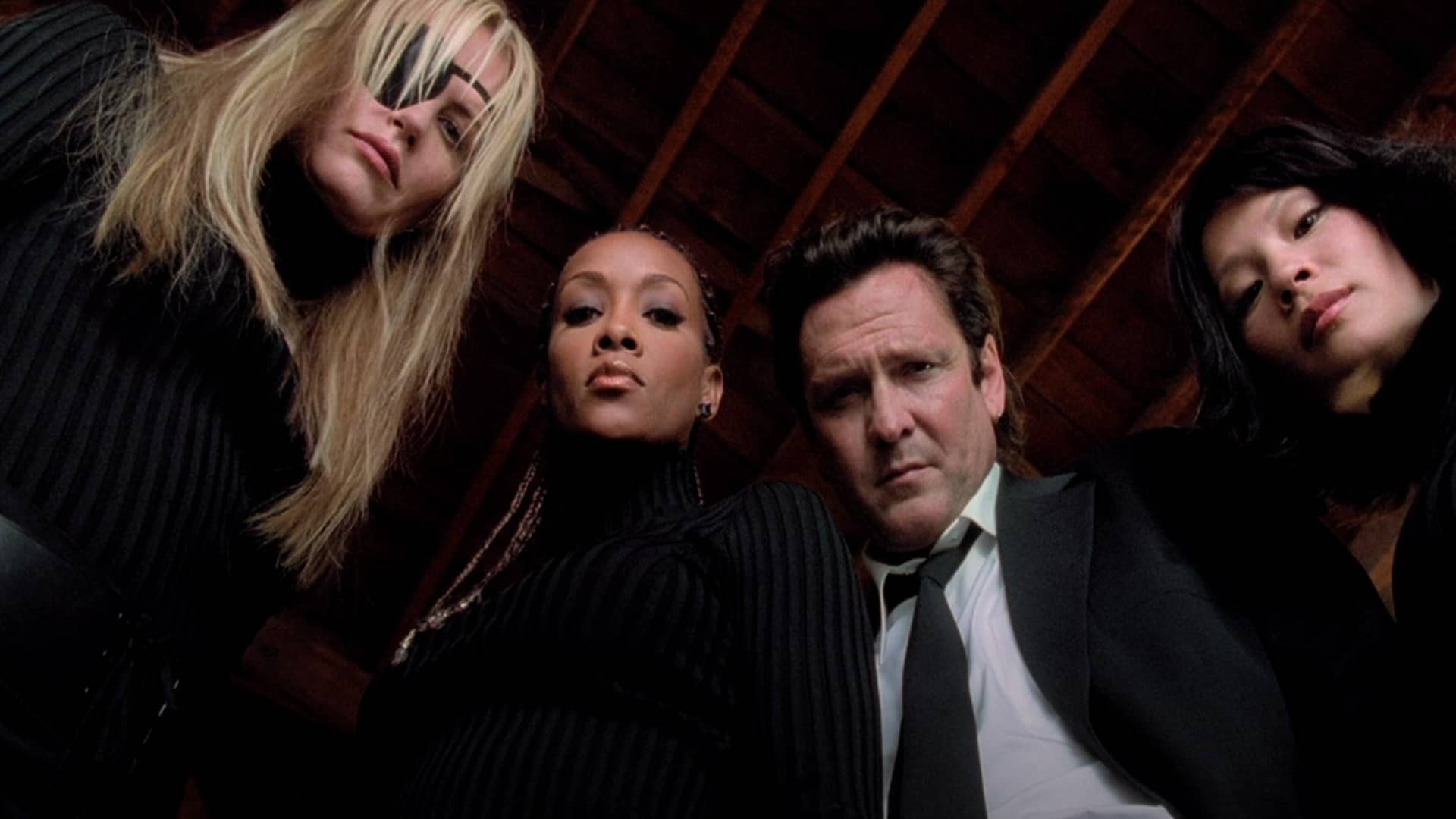


Image result for point of view shot


A point of view shot (also known as a POV shot) is a short film scene that shows what the character(the subject) is seeing(represented through the camera).


Image result for over the shoulder shot


In film or video, an over the shoulder shot (or third person shot) is a shot pf something or someone taken from the perspective or camera angle from the shoulder of another person.


Image result for shot reverse shot
Shot reverse shot, is a film technique in which one character is shown looking at another character (often off screen) and then the other character is shown looking back at the original character.
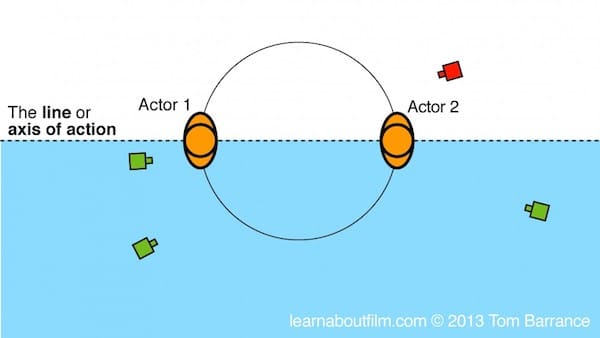


Image result for 180 degree rule


The 180° rule is a cinematography guideline in which a scene with two characters should maintain the same left/right relationship to another. Meaning, when the camera passes over the invisible axis connecting two subjects, it is called crossing the line and the shot becomes what's called a reverse angle.
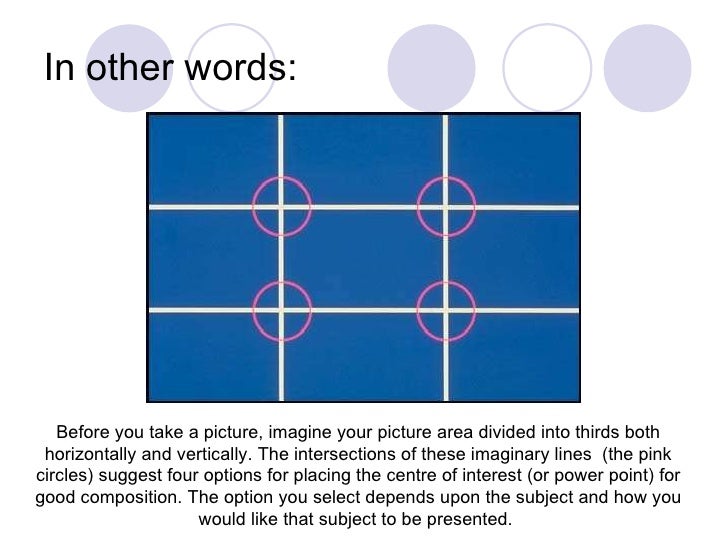


Image result for rule of thirds media


Rule of thirds, this is a concept in film and video in which the frame is divided into nine identical but imaginary section, these create reference points that help a director frame the shot.


Image result for eye level shot


An eye level shot is where the camera is positioned as though it is actually a human observing the scene, so that the actors' head are level with the focus and the camera will be placed roughly five to six feet from the ground.
Image result for birds eye worms eye


Birds eye, worms eye. A Viewpoint is the apparent distance and angle from which the camera views and records the subject. They also include the eye-level camera angle and the point of view shot. A high-angle shot (HA) is a shot in which the camera is physically higher than the subject and is looking down upon the subject.
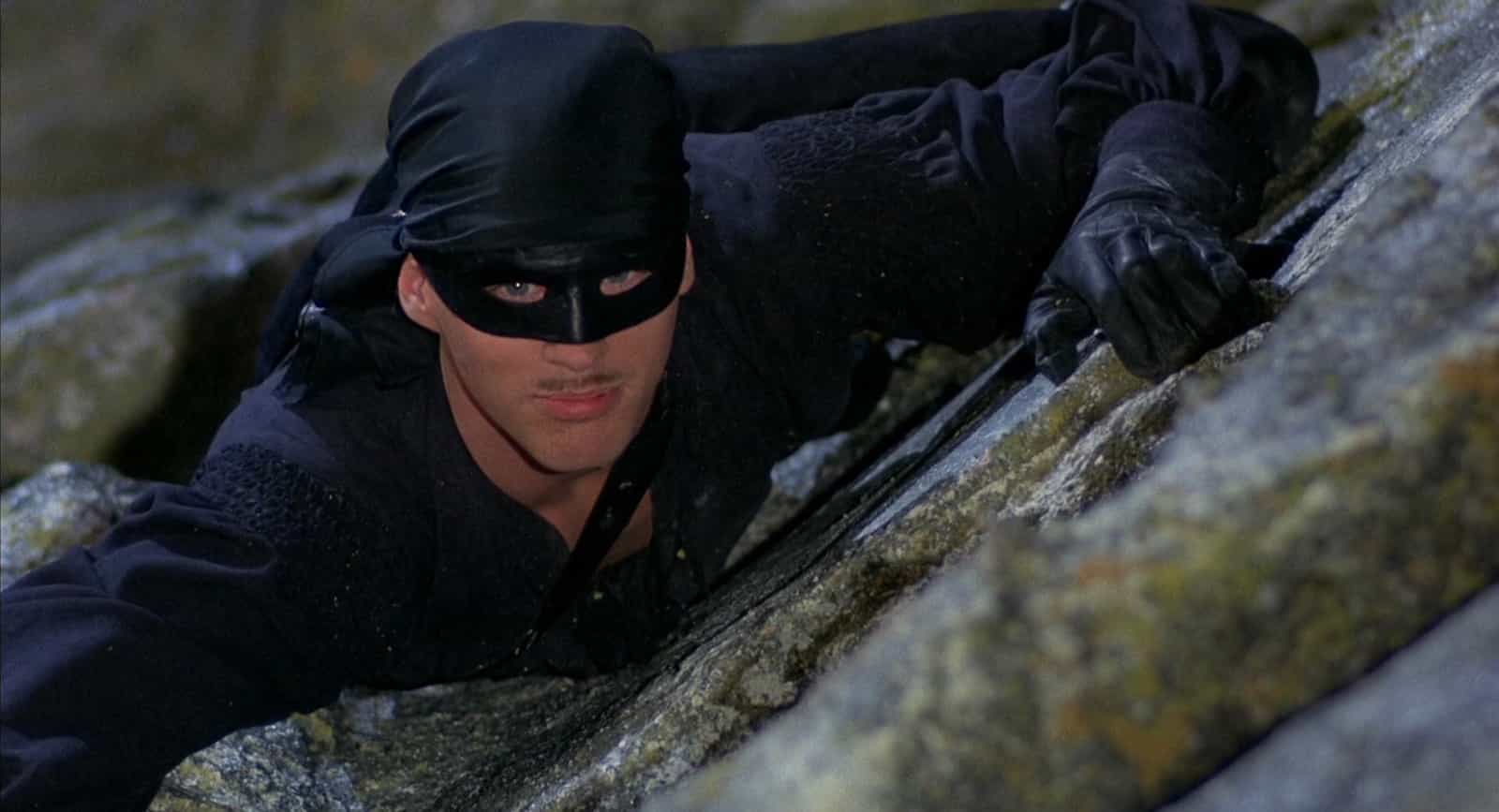
Image result for high angle


A high angle shot is a cinematic technique in which the camera looks down on the subject from a high angle and the point of focus often gets 'swallowed up'. High angle shots can make the subject seem vulnerable or powerless when applied with the correct mood, setting and effect.


Image result for low angle


In cinematography, a low-angle shot, is a shot from a camera angle positioned low on the vertical axis, anywhere below the eye line, looking up. Sometimes, it is even directly below the subject's feet. Psychologically, the effect of the low-angle shot is that it makes the subject look strong and powerful.


A Dutch tilt is a camera shot in which the camera angle is deliberately slanted to one side. This can be used for dramatic effect and helps portray unease, disorientation, frantic or desperate action, intoxication, madness, etc.


Image result for dollying shot


Image result for zooming shotA camera dolly is a wheeled cart or similar device used in filmmaking and television production to create smooth horizontal camera movements. The camera is mounted to the dolly and the camera operator and focus puller or camera assistant usually ride on the dolly to push the dolly back and forth.


Zoom Shot. A zoom is technically not a camera move as it does not require the camera itself to move at all. Zooming means altering the focal length of the lens to give the illusion of moving closer to or further away from the action. ... This is sometimes used for creative effect in the dolly zoom.
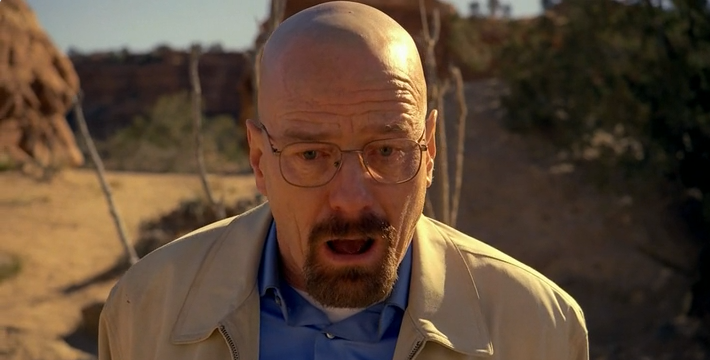


Image result for dolly zoom shotA dolly zoom is a cinematic technique in which the camera moves closer or further from the subject while simultaneously adjusting the zoom angle to keep the subject the same size in the frame. The effect is that the subject appears stationary while the background size changes (this is called perspective distortion).Shallow focus is a photographic and cinematographic technique incorporating a small depth of field. In shallow focus one plane of the image is in focus while the rest is out of focus. Shallow focus is typically used to emphasize one part of the image over another.
Deep focus is a style or technique of cinematography and staging with great depth of field, using relatively wide-angle lenses and small lens apertures to render in sharp focus near and distant planes simultaneously. A deep-focus shot includes foreground, middle-ground, and extreme-background objects, all in focus.
Selective focus is when a portion of your image is in focus, and another portion is not. This is achieved by using a low aperture number, such as f/2.8 or f/3.5 - which produce shallow depth of field. ... Selective focus is a great technique for drawing the eye to your specific subject and creating a soft mood.

Wednesday, 23 January 2019

Emma Exam Notes

two hour written exam, five minutes early, afternoon half 3 until 5
Unit 5 - Specialist subject investigation, is that true or false, your own hypothesis on the subject, who is watching them
Primary research, qualitative and quantitative data (pie charts, graphs) - three pages of notes, size 10 font (can also be secondary)
secondary - quotes, reviews(some online research, look at magazines, books, newspapers, journals)
reference where you found everything, where you got quote or information, cross reference from P research to S research, focus on finding a pattern look for evidence in this pattern (look at reviews - sales at box office) Prove how valid this research is and that it is reliable
Analyze data, quotes, pie charts, justify analysis of that data - validate data but make sure its correct

Friday, 28 December 2018

Story Boards In Production

Storyboards are an important part of pre production planning across a number of media sectors that rely on visual design. Story boarding in the form widely used today was made vastly popular by Walt disney in the early thirties. The first complete story boards were created for the 1933 disney short 'The Three Little pigs'. The first storyboard was created from comic book like drawings and story sketches created in the 1920s, these were created to illustrate concepts for animated cartoon shorts such as 'Steamboat Willy'. Within a few years the idea spread to other studios.
Disney credited animator Webb Smith with creating the idea of drawing scenes of seperate sheets of paper, and pinning them up on a bulletin board to tell a story in sequence, thus creating the first story board. Furthermore, it was Disney who first recognized necessity  for studios to maintain a separate 'story board' department with specialized story board artists(in that its a new occupation distinct from animators), as he had realized that audiences would not watch a film unless its story gave them a reason to care about its characters.
By 1937/38, all American studios were using storyboards.
Gone With The Wind(1939) was one of the first live action films live action films to be completely storyboarded. William Cameron Menzies, the films production designer, was hired by producer David O. Selznick to design every shot of the film.
Storyboarding becomes popular in live action film production during the early 1940s and grew into a standard medium pre visualization of films. Celebrated directors such as Alfred Hitchcock were renowned for their meticulous visualization in the pre production process.
Storyboards are now an essential part of the creative process.
Why story boards are helpful 
Visualizing your ideas
The greatest incentive for storyboarding is simply the fact that the story board will help you make a much stronger film by allowing you to visualize your product before its even made.
This is essentially your chance to create a blueprint for your production that will help you identify any potential problem areas or missed opportunities while you still have a chance to fix them.
Visualizing your ideas 
Your screenplay is the backbone of your film, but no matter how beautifully written it may be, it will never translate exactly as you might be picturing it to film.
Theres a common saying among directors: 'If your final film looks even seventy percent of the way you thought it would, you did your job really well'.
Storyboards play a huge part in getting that seventy percent, as they help you visualize your project in a way that in is not other wise possible.
The last thing you want is to get to set and realize that something about your shoot isn't congruent with the script.
Storyboarding will help you nip those issues in the bud, and keep your vision clear.
An advantage of using a story board is that it allows the director or producer to experiment with changes in the story line to have stronger reactions.
Flashbacks, for example, are often the result of sorting storyboards out of chronological order, this helps build suspense and interest for the audience.
The process of visual thinking and planning allows a group of people to brainstorm together, placing their ideas on story boards and then arranging the storyboards on the wall.
This fosters more ideas and generates consensus inside the group.
Its important that crew members are on the same page, and can see the product 'come to life' on page.
Storyboards will often include specific technical details that help crew members understand the specific needs and requirements of each shot. These could include camera angles, character movements and edits.
Technical details 
Generally speaking for every illustration (storyboard) you create, there are five types of shots to choose from: master, long, medium, close up and extreme close up.
Once you've decided on which of the five will be used, you'll want to illustrate the camera movements.
To depict a painting or tilting shot, where the camera either moves sideways or up and down, you'll want to create two frames to indicate where the camera will start and where it will wind up.
From there, you can use arrows moving in both directions in order to portray movements. To illustrate a tracking shot,(which invloves moving the entire camera in order to follow your continuously moving subject), simply draw an arrow on the frame - indicating camera placement - and point it in the direction the camera will be moving in.
You can also illustrate zooming, which only involves a lens and no camera movement at all. To show zooming in(moving closer to the subject) and zooming out means two frames are needed for the subject, and depending on which direction the subject is moving In, you'll either have arrows moving towards the interior frame or the exterior frame.
The Purpose Of Story Boards 
In production you will have a strong idea of camera set ups, blocking, lighting requirements etc, therefor should save time when shooting.
By the time you get to post, your editor will be thanking you, as the film will have coverage in all the right places, proper transitional moments, and a slicker aesthetic. In the long run saving money for the production company.

Image result for film storyboards


There are props that are made more significant by the use of shading in the story boards, such as the mechanical robot arms used by the villain. The setting is well described in the storyboards to help understand the story, as well as this the two characters have been well defined as well as the public on the train, this all allows the viewer of the story board to understand that direction the story is heading. The facial expression of the villain shows distress, this also shows the impact of Spider man's punch. Impact is further given to the punch due to the word 'bam' being incorporated into the design.
The angles used show movement, this would help the viewer track the characters and therefor the story, this is done by showing different angles of Spider man along with movement arrows. Close up shots are also used to show the emotion on the villains face or in this case the pain, as well as this a cut away shot is used to show the faces and emotion of the pedestrians on the train. As well as this impact words are used to help the audience follow the scene and feel the impact of Spider man's punch.
For certain shots used they can be clearly identified, such as the cutaway shot used to show the emotion on the train passengers faces. A cut away is also used to show the wheels trying and struggling to slow, this also shows a use of dietetic sound that the audience would be able to interpenetrate. As well as this the sound of glass breaking would be a dietetic sound that the audience would be able to identify due to its popularity, this would add sympathy pain to for the viewer and add impact the hit.
The format used is erratic and shaky, unpredictable. This is exactly how the characters in this scene would be feeling, During the fight they would be experiencing these same feelings of fear and adrenaline, this is shown through the story boards themselves by the use of jump cuts. 
Image result for film storyboards

Some of the imagery used is significant due to the difference of colour between the two characters this is used to show their contrast in character, for example Scar is cunning and manipulating where as Simba is young, joyful and naive. This has been portrayed by the use of shading. The setting of the scene is also important to Scars character, other characters of the film are always seen in the light of the sun , not shrouded in shadows and darkness in a cave. As well as this caves are dangerous, wild animals are found here, animals that aren't tame and friendly like the rest of the characters portrayed.
The camera angles used show both of the characters facial expressions, also it is easy for the viewer to interpenetrate what shot will be next used as Scar begging to walk away, a tracking shot would be used.
There is no used digetic or non digetic sound visibly used in this scene. Digetic sound would be heard as the characters speak in this scene but it is not shown on the storyboard.
The begging of a tracking shot can be seen when 'Scar' begins to walk away, this shot follows a character and sometimes shows another following, It is used to keep track of the on screen character and make sure that they stay on screen.
The scene itself is very easy to follow, close up shots are used to show emotion on characters faces as well as the shots and edits used to help follow the scene, the storyboards however are a different story, Scar is erratic never seems to want to look characters in the eyes, this shows deceit and betrayal.
The effectiveness of the story board is very high, this is due to elaborate tracing of characters, as well as the effective art work.

   Image result for storyboards video game

Unlike film and TV story boards, Video game are different entirely, they have far more outcomes for the scene and therefore require more detail in said storyboards.
This story board is effective due to the amount of detail used in each specific scene, it shows the charcaters past battles and traumas therefor showing what has shaped them as a character and put them on this particular path.
There are a vast use of camera angles used in these particular story boards, such as: close ups, overhead shots and extreme close ups. These are used to show emotion and where the character is and where he is going.
Movement arrows are seen and this would also help track the main character.

Thursday, 13 December 2018

Learning Aim A

Publishing
Publishing is made up of  various groups of industries including: Books, magazines, newspapers and informational serveries.
The publishing industry employ over one hundred and ninety thousand people every year, which is about thirty six percent of the creative media workforce. Over fifty thousand of these people work in the newspaper sector, another fifty thousand work in journalism and magazines, close to  thirty thousand work in the book industry and another twelve thousand work in other informational areas.
Employers look for work staff that are highly literate and have basic office skills, e.g. taking important calls, also employers look for people that have some technical, entrepreneurial or management skills.
Some of the jobs in this sector include: proof reader, copy editor, technical editor, writer and event manager.   

Film
In the film industry, there are certain types of product that can be created, these vary from documentaries, movies and even TV series.
The film industry is one of the most successful types of on screen entertainment, it contributed six point three billion into UK's economy in 2006. It is also becoming increasingly more popular, in 2007 over five hundred and sixteen film were released in the UK alone. That makes it a fifty eight percent increase in the past decade.
There are four main sub sectors in the film industry, production, faculties, distribution and exhibition. These four roles are filled by smaller and larger companies within the film industry, along with some highly skilled free lancers. Woman make up too forty three percent of workers in the film industry, it also consists of several ethnic backgrounds.
The skills that are searched for in this industry are as follows: creativity, highly qualified and can adapt quickly to changing technology.
Some of the things that employers look for are as follows: director, editor and camera crew.

Television
The televisiton industary is the most poplar form of entertainment and information. But the rapid growth of the gaming industry is a close second.
People who work in the television industry come from all over the UK(although sixty two percent are based in London). There is no specific gender that works in this industry.
Some people that work in the industry must be highly skilled, and must have at least a college and university degree, but it is possible to not poses these degrees and be employed. These people must also be able to adapt to new technology much like film employees.
Some of the jobs in the television industry include: editor, director and make up artist.

Radio
The radio industry is the distribution of audio content and consists of three different factors: publicly funded radio, commercial radio and voluntary or community radio. The radio industry employs over twenty thousand people.
There is no majority of male or female workers in this industry, although most/all of the workers are highly skilled well qualified with a university degree or higher. About a quarter of the employees are free lance. As well as this most of the work force are of an older generation, they are much older some of the other employees in other creative media industries.
People that work in the radio industry must be spontanious as most radio are live, they should also strive to be creative, finally they should have a clear speaking voice and have a good understanding of the English language(good grades at school).
Some of the jobs in the radio industry include: presenter, broadcast manager, station manager and reporter.

Computer Games
The first games were launched in the 1960s and quickly became firm favorites in the UK by the 1970s,it quickly became a major industry globally.
Within the computer gaming industary there are 485 different businesses, a large majority of which being video game developers. These businesses employ over seven thousand people, approximately six percent of the work force is woman. This is incredibly low, much more than that of other industries.
Some of the jobs available in the computer gaming industry are as follows: game designer, artist, creative director, creator and lead programmer.

Legal and Ethical

In media there are many legal and ethical issues to consider, for example:
Copyright: Copyright is most likely one of the most significant aspects of any news production, whether that is a Newspaper Article or Radio Broadcast - it is vital to gain permission for any content that you use (that isn't your own), which may involve some sort of payment for the sufficient Licence Fees. Content that was originally subject to Copyright can be used if the last creator had died more than 70 years previous - meaning it is no longer subject to Copyright Laws.

Data Protection Act 1998: ​Although a Journalist is trying to report a story, they are sometimes limited to what they can publish due to the Data Protection Act 1998. This means that specific personal information such as Addresses and Telephone Numbers as well as any other Contact Information cannot be shared without the person's permission. The law was passed to give people rights when they have information stored about them.

Discrimination: It is illegal to discriminate against anyone as a result of their Gender, Age, Disability, Sexual Orientation or Religious Beliefs. As a result of Discrimination, a Journalist could face official warnings at the business they work at, or even instant dismissal. These rules are designed so that everybody in society gets a fair viewpoint shared in the Media...


Defamation of Character: In Radio Broadcasts, this is known as Libel and is when you make a false statement about an individual that could negatively effect a person's reputation. If found guilty for Libel, then you may be required to pay a fee in damages (this could be any value within reason).

Ethical Matters: It is important not to discuss stories in such a way that it may relate to specific ethical matters. Of course, some stories (for example, when there was a vote for if homosexuals would be allowed to marry in the UK) do have ethical matters, and these opinions of different viewpoints must be discussed in the news story. 

Company that apply for these laws also apply for inspection from Ofcom. This company is responsible for the checking and constant warning to make sure that these companies are abiding by these laws.

Often referred to as a permanent contract, this type of contract is offered on a continuing basis and has no set expiry date. The contract is open ended and has notice provisions, so that the employee may end the contract earlier by resigning and the BBC may end the contract by giving notice of dismissal.
People employed on a continuing contract are covered by our contractual employment policies and are the employee benefits outlined in the policies. For more information, visit the Why join us? section of this site.

Fixed-term contracts

This is a contract of a known duration and with a specified expiry date, which is stated within the vacancy description. In all other respects a person employed on a Fixed Term Contract is entitled to all the benefits and privileges as those on continuing contracts.
People employed on a Fixed Term contract are covered by our contractual employment policies and are the employee benefits outlined in the policies. For more information, visit the Why join us? section of this site.

Flexi contract

This is a form of the BBC Fixed Term Contract. It is a contract of limited duration, for a defined number of days or hours, which are to be worked as the business requires (e.g. fixed hours per week/month cannot be predicted or guaranteed).
People employed on a fixed term contract are covered by our contractual employment policies and are the employee benefits outlined in the policies. For more information, visit the Why join us? section of this site.

Casual contract

This is a form of contract which will be offered when odd days of work are available intermittently or when continuous work is expected to last for not more than four weeks.

Temporary agency contracts

Dependent on business need, the BBC may outsource temporary requirements to an agency. This form of contract will be formed directly with the agency.

BBC freelance contracts

This contract is offered to self-employed individuals who are providing their specialist services for a specific role, for a specific period of time. If you work with us on a freelance basis, you can get booked and paid via the BBC Freelancers website.

Career Opportunities and structor of the media sector

There are many sectors of media for people to get involved in, television is the largest and most profitable. This industry employs over 50,000 people every year in the UK alone, the main employer the industry is the BBC, it is funded by its viewers through the use of TV licenses, which is why there is a lack of adverts on the BBC. ITV, which is a private company and not funded by the public and finally channel 4 which is funded by advertisements.
Radio is the oldest form of media which dates back to as long as the 1920s, nowadays however radio has taken a backseat due to the rise of technology making it obsolete. As well as this the lack of demand for radio can be attributed to the digital rise of music downloading and streaming. There are three types of radio: publicly funded(funded by the taxpayer), commercial radio(funded by advertisements) and commercial and voluntary radio(funded by the national lottery).
Film, film currently employs over 20,000 people nationwide. Within this industry there are six main sectors: development, production, facilities, distribution, exhibition and exportation.
In film there a many large blockbusters that occupy most of the income. For example: Universal, Disney and Paramount. However there are up and coming companies that have a bright futures ahead in the sectors of Film such as Pinewood studios. These companies don't tend to make films to the likes of the larger companies but do make some films that were well received by the public, such as Star Wars The Force Awakens And Jurassic Word Fallen Kingdom.
Animation. Animation is used to make special effects and even shows that are vital in their production. Animation can also be used in the video game industry.
The video game industry is known for creating immersive and gameplay. Some of the most popular companies include: Dreamwork's(which is owned by paramount) and Pixar(which is owned by Disney). Pixar have worked on pictures such as Toy Story and Cars, Dreamwork's have produced pictures such as Madagascar.
Interactive media is a platform that employs over 30,000 people. This platform is vital for day to day life, everyone with am internet connection uses it, this includes apps such as Twitter, Facebook and Youtube.


Daily's

22nd May  On day one of shooting I drafted up a list of tasks that needed to be completed, this list will be followed during the whole of...