Thursday, 11 April 2019

Beady Eye Script (final draft)


'Beady Eye'

By

Joseph Simmons


Script
Final Draft 


11 April 2019


FADE IN:

1                                                  
                                                         INT.  STUDIO. MORNING 

                                          In a dusty, creaky home studio. TOM ANDERSON, a slim,
                                          broad shouldered young man with brown hair wearing
                                         a tailored jumper and slim fit jeans stands straight and 
                                          tall, and then sits in an old dusty chair.

TOM (V.O.)
(Nervously)
I need a break, there's nothing left for me to turn 
to, they'll agree, they have too.
2           
EXT. ROAD. DAY
We see TOM walking along a path located
next to a road
AUDIO
Cars wiz past TOM, we hear them get louder
and faster
TOM walks quickly and forcefully toward his destination, 
that could be anywhere, but his is determined to get there

3
INT. STUDIO NIGHT

TOM stares at old vintage equipment, it still plays tunes in his 
head sometimes, he remembers, fondly of the time spent with 
his band members.
there is a distressed bass guitar in a pale red colour, as well as an electric and acoustic
guitar, these are slightly better looked after, but however are missing certain strings
the drums are in terrible condition after years of abuse 
He then reaches for something in his left pocket
4
CONT
INT. STUDIO. NIGHT

We see a phone screen, it is a black phone, brand new, this is done
to indicate the illusion of wealth even after all these years, even if just to himself
 it's light is blinding and it takes 
time for the camera to adjust, we then see contacts shown
to not have been contacted in some time
AUDIO
We then hear a dial tone 
It goes on for what feels like minutes

TOM (V.O.)
(Irritated) 
Pick up, you owe me that
The phone is answered abruptly and the scene
CUT TO BLACK

5

INT. STUDIO. NIGHT

We see a room of gathered band members,
we don't know why they are there 
They all look somewhat displeased
LUKE, a skinny eighteen year old 
student with short black hair and skinny jeans, JOSH, a strapping, tall and broad 
eighteen year old student with shoulder length blond hair
and ROB, a tall skinny teenager with short black hair and beard 

TOM
Thank you all for coming

LUKE
We owed you that much, but why are we here

TOM
It's time that it happened 

JOSH
(angrily)
It?

TOM
We need to reform 

ROB
No, you need us to reform 

ALL(at once)
R This always happens 
T It isn't like that 
J Of course it is 
L You promised you'd stop this Tom

TOM
(loudly)
ENOUGH!

TOM
I brought you here out of nostalgia, this needs to happen, I need it to happen, 
please 

ALL
Alright Tom, for them, not for you 

6
INT. CAR. DAY

An interior of a car is shown,it is new and low budget, it is shown to be moving quickly somewhere 
it gives no indication where, or why, the interior of the car is well looked after and tidy
it is a distressed grey colour with few chips or marks of any kind
the car itself is not one that you would imagine a former rock star to be driving
this would confuse the audience and help to gain their attention and hold their
curiosity  

7
INT. STUDIO. DAY

The band members are shown playing instruments, by the end of the scene they are well
rehearsed and play as a band, just like years earlier, there is ROB on bass, JOSH on drums,
LUKE on guitar and TOM on lead vocals, they all look focused, determined, they are all
second only to TOM
8
INT. TABLE. DAY

A newspaper is shown landing on a table, it reads 'Beady Eye Reunite', the table is
brown and wooden, brand new and hardly stressed, the news
paper itself, much like the table is fresh and clean,
there aren't an creases or folds, this metaphor is used to
specify the new Beady Eye

9
EXT. STAGE. DAY

People are gathered, a large crowd, loud, restless and out of control
the band then emerges on stage, the crowds cries then become deafening
AUDIO
Screams, cheers and bellows of crowds of people
in this scene we see TOM preform a recurring action of grabbing at his throat almost in pain  
10
INT. DOCTOR'S OFFICE. DAY

we see a white clean space, a guess could be made that it has been used for medical practices
it is pristine and new, we see a desk with a plethora of papers and information
we also see two chairs, one, on the receiving end of the desk and the other at the siting
we see a well dressed doctor, wearing smart dessert boot shoes as well as a white coat and various medical equipment
we see TOM wearing the same clothes as in the previous scene, he wears a pair of black slim fit jeans as well as a green jumper
AUDIO
we do not hear any spoken words, we hear a high pitched noise that blocks out what the characters are saying, but we see by TOMS reaction that it is devastating news

11
INT. ROOM. DAY

we see a medium shot of TOM's back, the shot is shaky and unstable, much like TOM in his current situation 
we see an array of alcohol and recreational drugs in-front of him, his clothes are dirty and unkempt as if he hasn't eaten or slept, his hair is messy and unkempt 
we see him using and drinking drugs and alcohol 
in a state of depression   

12
INT. ROOM. DAY

ROB enters the room
he is wearing all black as to avoid photographers
he approaches TOM and sits beside him, we see his face change as he sees the pile of drugs and alcohol

ROB
(softly)
what happened mate, tell me

TOM
(whimpering)
its my voice Rob, they say I'll loose all speech within the week

ROB
I'm sorry, but things aren't over just yet

TOM
I don't understand

ROB
We still have one more show, but the rest of the band needs to know

TOM
You're right, it's time

13
INT. ROOM. DAY

the band sit in a mirrored shot of the one prior, all sat in a circle of chairs
we do not hear their conversation
Audio 
calming sounds such as chimes and wind 

14
INT. STUDIO. DAY

The studio is the same as previously described, however the band is determined and unstoppable
\TOM looks tired and weary, he suddenly feels faint and needs to sit down, the band then 
rushes to help him and he refuses their help and continues to preform, it isn't as good as his previous 
performances

15
INT. STUDIO. DAY

a close up of TOM is shown, this is done to better show the viewer his facial expressions and mood
he looks nervous and unprepared
his clothes however are well tailored and well put together 

16
INT. WALKWAY. DAY

 TOM is shown walking towards a stage (tracking shot)
this is done to build tension and anticipation for the up coming scene
he is shown walking towards the stage with confidence in himself and in his band mates 

17
EXT. STAGE. DAY

the band is shown playing the gig, the crowd is large, is winds all of the stadium 
the band are shown to be tired and well worked 
it is shown that the crowd is in love with the band and this gig 
it will later be called their best 
TOM is a shell of his former self, his is in tune, well timed and confident 
TOM is seen to be struggling to stand, the screen then goes black as we catch a glimpse of his band mates running to catch him
 AUDIO
Beady Eye's Flick of the finger 

18
credits roll

FADE OUT


THE END 


Wednesday, 10 April 2019

Beady Eye Storyboards

Beady Eye Final storyboard draft


This is the final story board for my short film Beady Eye, it is a large improvement from the first draft as it longer in duration and contains the shots and shot types, as well as the synopsis and characters thoughts and feelings. It also contains different camera shots. It also shows movement arrows which show the charcaters predicted movement, this is done to make the viewer feel more immersed while viewing the storyboard.

Music Video Storyboard(First Draft)

The story board above was my first draft at the music video storyboard, it is very basic, as it only shows one shot throughout all of the slides. It does not show any movement arrows, editing techniques or feature the shot type or movement. The costume design is not explained or commented on, facial expression is not used or commented on. Speech is not commented on, it does however feature an audio section in which the tracks title is shown.

Beady Eye Film Storyboard(first draft)


 This is my first attempt at story boarding, it does not feature movement arrows, shot types are not shown, camera movements are not shown, very few different shots are used making the project feel stale and lifeless. A good story board is supposed to capture the life and essence of a film, these are not attributes that would be translated to the big screen.

Video game storyboard(final draft)

 This is my final draft at a video game storyboard, it features a title card which shows the audience what they are watching and helps to build anticipation. It features title cards of actors names which informs the viewers of who they will be watching, this also helps build anticipation. It also features movement arrows as well as a description of digetic and non digetic sounds, it also shows the viewer what shots will be used and what editing techniques will be used. These all help the audience paint a mental picture of what the picture itself will look like. These things help the viewer decide if they would view the film upon its completion.

Music video(final draft)
 This is my first draft at a music video for Beady Eye, it features editing transitions and techniques, as well as a variety of shots and camera angles. It shows the names and movement arrows to the actions directions of the characters and camera. It also utilities a speech and audio section.

Video game storyboard(final draft)

 This is my final take of a story board covering a Beady Eye video game. It shows a title card to build anticipation and a loading bar to make stationary and slower scenes more bearable for the player. It also features an on screen representation of charcaters to help players follow speech and cut scenes. It also allows the player to employ a sense of personal design by employing a character designing feature, allowing the player to decide race, sex and other physical traits as they see fit. It also employs readable text as well as spoken for the benefit of deaf and hard of hearing players. It also features bosses to heighten and challenge the players ability.

Tuesday, 2 April 2019

Learning Aim C

Joseph Simmons
31 St Aiden’s Terrace
Houghton Le Spring
County Durham
DH4 4LZ
07917 841033
I am an eighteen year old media student, with a passion for new experiences and meeting new people.  I am a driven young person with an outgoing personality and with my previous work experience, I understand the work environment and the importance of professionalism.
I feel I could add value to your business by providing excellent customer service and I am keen to learn more about the restaurant industry.

Work Experience
Support Assistant
BPP Visual – Washington
September 2015 – Present
My work responsibilities at BPP include tasks such as making and receiving calls to potential, as well as established clients.  I have developed good interpersonal relationships with clients and partners, whilst arranging and receiving deliveries.  I am personally responsible for receiving valuable stock and carry out stock takes to reconcile against the database.  I also carry out any other task that the Directors ask of me

Education
Sunderland College – Bede Campus
BTEC Level 2 in Media Studies
Sept 2017 – June 2019 – Predicted grade, Merit
Internet Safety Award

Oxclose Community Academy
9 GCSE’s Grades A-C
2012 – 2017
GCSE’s in English Language, English Literature, Science, Additional Science, Art, Media Studies, Business Studies, ICT, Citizenship

Additional Information
I am competent in all Microsoft office packages and can pick up new software/CRM systems easily.  Whilst at College I have completed a short course in Internet Safety.
I am currently learning to drive.
I enjoy socializing, listening to music and walking my dog.

Future Job Prospects in Media Studies  
I have found I most enjoy radio presenting and editing in while at Sunderland College. Therefore, I would only consider a job in or around the general area of radio presenting or directing. As well as this I would consider future work in editing, such as Photoshop or Premier Pro, as I have found that I have a deep knowledge of these software’s and programs.

Radio Presenting 
Certain quality traits and a certain skill set are needed: for example, confidence, this is something that is essential to this role, speaking in front of people and putting your own work into the world for people to judge is difficult to even the most self confident individuals, time management, this is possibly the most important trait if not the, this is due to the job being so time orientated, if you miss a deadline or are late to the job hundreds or even thousands of people could be disappointed and have a right to complain. The adverts and time gaps need to be tamed perfectly enough to flow as a single show, preparation, shows need to be written and prepared for within suitable content, it is essential to making the show enjoyable and to make people more likely to listen again.

Thursday, 28 March 2019

Film Editing

Types of Editing for Films and TV
Continuity Editing 
The process in video creation, of combining related shots, or different components cut from a single shot, into a logical sequence so as to direct the viewers attention to a story across both time and physical location.
It creates the illusion of smooth continuous action, hence the viewer will not notice the transaction between shots and their focus will be narrative driven.
Non Continuity Editing
This is when shots are miss matched to disrupt the impression of time and space. This draws the audiences' attention to the process of cutting and disturbs the illusion of 'reality'.
What is Editing Used for In Moving Image Productions 
Editing in these such productions can be used for a multitude of things such as: manipulating time, including speeding up and slowing time, compressing time and stretching time, such as a montage(for example The Rocky saga), perception of space, this creates a logical and believable space between characters or objects not sharing the same shot, and helps the audience orientate themselves, controlling rhythm and pace to control the flow of the production(e.g. high tempo action, slow tempo to create tension).
Functions of Editing for Film and Television 
Editing is used to create a narrative, it can be used to create motivational narrative, this is whats called motivational editing. It can be used to develop drama as well as providing and withholding information from the audience.
Continuity Editing 
This can be used to create continuity between two shots, it can also be used to follow the action, it can be used to change locations and finally it can be used change the time frame including the use of flashbacks. Continuity editing is the process, in film and video creation, of combining more or less related shots, or different components cut from a single shot, into a sequence so as to direct the viewers attention to a pre-existing consistency of story across both time and physical location.
Engagement      
It can also be used to engage the audience, for example: engaging the viewer, creating suspense and creating pace.
Creating Meaning 
It can be used to create meaning for example juxtaposing elements within editing, creating empathy for a character and creating bias in fiction or documentary editing.
To show that these techniques are understood I will be analyzing a number of clips showcasing a majority of editing techniques.
Battleship Potemkin realized in 1925 and directed by Sergei Eisenstein was one of the most influential silent films of its time, receiving international fame. Throughout numerous scenes Russia's social, political and economic factors play a role in shaping the so called master piece today. The Odessa Steps Sequence begins with common people cheering the sailors, but in a single moment the joy and excitement of the scene is extinguished as they are attacked from the top of the stairs. The audience is as surprised as the character of film as they too were unaware of what was happening on the other side of the staircase. We see the soldiers with Eisenstein use of Mass effect with the large group of soldiers moving closer and closer to the people. We know that what appear to be victims are commoners due to their items of clothing. The devastation was shown through Eisenstein's use of montage, a popular technique involving the soviet montage theory. Some of these shots are used to show political agitation.
Parallel Editing
Parallel editing (cross cutting) is the technique of altering two or more scenes that often happen simultaneously but in different locations. If the scenes are simultaneous, they occasionally culminate in a single place, where the relevant parties confront each other. In the scene from Way Down West cross cutting is used to make the audience feel tense and on edge. The camera shows the struggle of the main character and then the force and veracity of the waterfall. The camera gradually pans closer and closer to the waterfall showing its power and the woman's struggle as she stumbles over the ice.
The use of parallel editing in the Silence of the Lambs adds a tense feeling to the scene, the quick cuts of the murder to the police makes the audience feel just as tense and worried as the police themselves in this scene, as well as this the scene is long and drawn out to build suspense with the audience. This scene adds a layer of suspense as well helping the pacing of the narrative. It also gives the audience more in depth visual information for the narrative.
Montages 
A montage, which is a sequence of short shots that are edited into a short clip often played behind music. This technique is used to compress time, space and information. They show the audience vital information, for example, The Rocky three montage compresses months of weight and respiratory system training into only minutes of footage. This shows the audience a difference from beginning to end of Rocky's transformation, which gives the audience a perspective of the time missed as well as giving them hope of the character completing the task they need to overcome. Montages are mainly used to show a character (often a central one) over coming a problem, dilemma or task. They are widely used in the 'Rocky' and 'Creed' trilogies. They are used to show the audience that the character is physically and mentally ready for the challenge ahead.
The clip taken from Team America is much like the montage from Rocky, Rocky is mentioned in backing music mid way through the montage, however, there is one large difference between that of the two films, one is a spoof of the other. A spoof  is a comedy attempt at another creators work. They are used for the same reasons as that of Rocky, to show improvement and progress the story and character in the narrative. It is unlike a traditional montage in the ways that it is put in place to make the audience laugh as well as progress the narrative. The editing of quick cuts and jumps are used to progress the clips as well as keep the viewer entertained throughout the clip. The music used adds to the comedic effect of the scene by mentioning the practices name and referencing other works of media that have featured montages, this is not typical of a montage they are often used to add tension or dramatic effect to a scene.

Thursday, 21 March 2019

Exam Notes

Primary research 
qualitative and quantitative data quality in quantity
interviews and surveys
two sources, interviews and surveys
Secondary research 
four different sources, mix of both , websites, books and comics
no more than ten all together
have to refer to the stimulus material, refer to the last mock
Catalog of sources(Harvard referencing)
3/4 sides of size ten font A4 (only bullet points/diagrams)
Notes need to be collected and submitted with exam paper
five questions to answer(spend 24 minutes on each question)
five weeks to prepare
*interpret the topic with with detailed consideration of the validity of the information, referring to research sources and examples to support your points
*discus the significance of the impact in relation to media debates connected to the article
*appraise the impact on media production in a balanced way, following chains of reasoning


Wednesday, 20 March 2019

Single Camera Techniques

The single camera set up, or single camera mode of production, is a method of filmmaking and video production. In this set up, one camera is used to take all of the various shots used in the final product of production. Since there is only one camera the camera needs to be moved and re adjusted to get each new shot or angle.
If a scene cuts back and forth between actor one and two, the director will first point the camera towards one and run part or all of the scene from this angle, then move the camera to point at two, relight and re adjust, then run the scene through from this angle.
Choices can then be made during post production editing stages, for example when to cut back and forth between the two(there are often more) angles.
By contrast, a multiple camera set up consists of multiple cameras arranged to capture all of the different camera angles of the scene simultaneously, and the set must be lit well to accommodate all of the cameras set up around the studio.
Multi camera production generally results in faster but less versatile videography, where as the single camera set up is more time consuming but gives the director more control over the shots used.
Single camera set ups are normally utilized for prime time dramas, made for TV movies, music videos and commercial advertisements.
Soap operas, talk shows, game shows, most if not all reality television series, and sitcoms, more frequently used this camera set up.
Though multi camera set ups were very normal for US 1950s sitcoms, the 1960s saw increased technical standards in situation comedies, which came to have larger casts and used a greater number of different locations in episodes.
Several comedy series of the era also made use of feature film techniques. To this end, many comedies of this period used the single camera techniques method.
Apart from giving the show a feature film style, this technique was netter suited to the visual effects frequently used in these shows. These effects would have been difficult had the shows been shot with a multi camera set up.
By the mid 1970s, with domestic situation comedies in vogue, the multi camera shooting style for sitcoms came to dominate and would continue to do this throughout the 80s and 90s, although the single camera format was still seen in television series classified as comedy drama or 'dreamed'.
In the 2000s, television saw a resurgence in the use of single camera techniques in sitcoms.
Multi camera shooting is the only way that an ensemble of actors presenting a single performance before a live audience can be recorded from multiple perspectives. Also for standard, dialogue driven domestic situation comedies, the multi - camera technique, which is cheaper and takes less production time.
It may be deemed preferable to use the single camera technique especially if specific camera angles and camera movements for a feature film - like visual  style are considered crucial to the success of the production. Likewise these productions often feature varied locations/no live audience/ no laughter track.
Soap Operas 
Due to time constraints, large casts and crews, and ready made specifically designed to sets, and dialogue driven narratives, soap operas commonly employ multi - camera techniques over single.
Drama
Conversely conventional drama employs single camera techniques similar to film, smaller central casts, less pressure in terms of volume/ time constraints of production, larger locational ranges and in recent years, TV drama has become an active competitor to film the industry, therefore the need to produce something with more versatility and artistic control is paramount.
Corporate Videos 
Short films made to promote business, often made in vocational surroundings, so need for flexibly/ ability to work in non designated spaces, they often use voiceovers/ imagery therefore less interaction with a large cast, 'talking heads' interviews are often used, static single camera with one lighting set up.
Cost Benefits 
Less equipment is required - you don't have to find funding to purchase / hire a range of camera and associated additional materials such as: tripods, lenses and microphones can drive up the cost.
Because of this it enables budgets to be achieved more realistically, this is especially important in certain scenarios, for example: small budgeted independent projects, corporate video and less commercial material productions.
Because you require less equipment, you also require less staff to operate it, again saving costs in wages.
Logsical costs can also be required in terms of the facilities required to transport and store larger and heavier quantities of the equipment. Productions require much less space than a more complicated multi camera setup.
Simplifying the Filming Process
Set ups can be streamlined to support a leaner shoot for example you don't need to worry about additional cameras appearing in the shot.
Multiple camera productions often require additional setup time to achieve suitable lighting. The best lighting is limited to one angle, and therefore having to ensure people have to be well lit and shot from three or four angles at the same time (as they normally are in multiple camera video production), there will invariably have to be some compromises.
Another additional advantages of single camera (film or video) dramatic production in that scenes don't have to be shot in sequence.
In fact, seldom does a scripts chronological sequence represented the most efficient shooting order. The final sequence of scenes is arranged during editing.
In this instance it is not always essential to have all actors available at any one time.
It offers more benefits such as: the director has more control over each and every shot, the production will feel more personalized and allow the audience to be submerged into the diegesis, (potentially) far  less film is used/wasted when filming with one camera, existing stylized camera angles, the footage can be shot in clusters so that the cast and crew can have breaks from set, a variety of locations can be utilized due to the amount of equipment used, single camera productions can be created on much tighter budgets, the lighting for each shot is individual, therefor more controlled for each shot, it is possible to still produce a master shot for each scene as well as individual angles and finally multiple run - throughs can help actors get into character.
Time Consuming 
In a single camera production you are limited by the ability to film only one angle at a time. This means multiple individual takes are required to allow for a variety of camera angles in the final edit. Although this allows for greater creative control (for things such as lighting), it takes longer both in production and post production to assemble a suitable sequence.
Due to the ability to shoot one shot at a time, very carful staging needs to be employed, this is to ensure continuity and carful matching in the editing process.
Potential Challenges for Actors 
There is a danger you achieve less natural reactions from actors who are required to engage with one another on screen as only one shot is filmed at a time, and this may impact on the 'flow' of the piece.
For example: it can be a lengthy and time consuming process, it is (potentially) more expensive than multi camera production due to the length of filming, it is a personal choice to film using the single camera format and not everyone on the project may agree, continuity errors are far more frequent and finally the action filmed can start and stop continuously which might be aggravating and appear stunted and stilted on camera.
Shot Types 


Related imageEstablishing Shots, an establishing shot in film making and television production set ups, or establishes the contact for the next sense by showing the relationship between its important figures and objects. For example, this shot taken from a scene in the Shining.

Image result for master shot


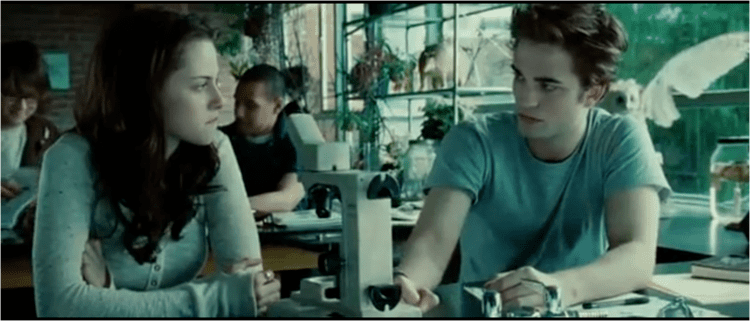
Master shot, a master shot is a film recording of an entire dramatized scene, from start to finish, from an angel that keeps all characters in view. It is often a long shot and can sometimes preform a dual function of acting as an establishing shot. For example, this is a screenshot taken from the film Twilight.


Image result for tracking shot


A tracking shot is any shot where the camera moves backwards, forwards or alongside the subject being recorded. In cinematography, the term refers to a shot in which the camera is mounted onto a camera dolly that is then placed onto rails. For example, this shot from Pulp Fiction.

Image result for cut in shot example


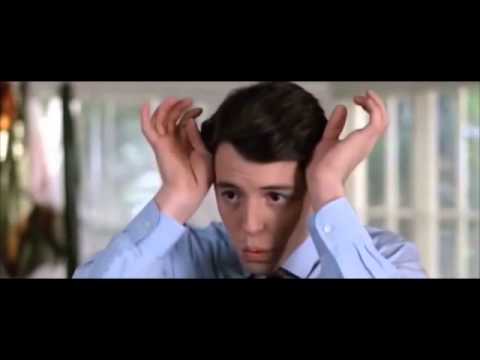
Cut ins/ cut aways, in film and video, a cutaway shot is the interruption of a continuously filmed action by inserting the view of something else into the shot. It is usually, though not always, followed by a cut back to the first shot, when the cutaway avoids a jump cut. For example this scene from Ferris Bueller's Day Off.
Image result for wide shots


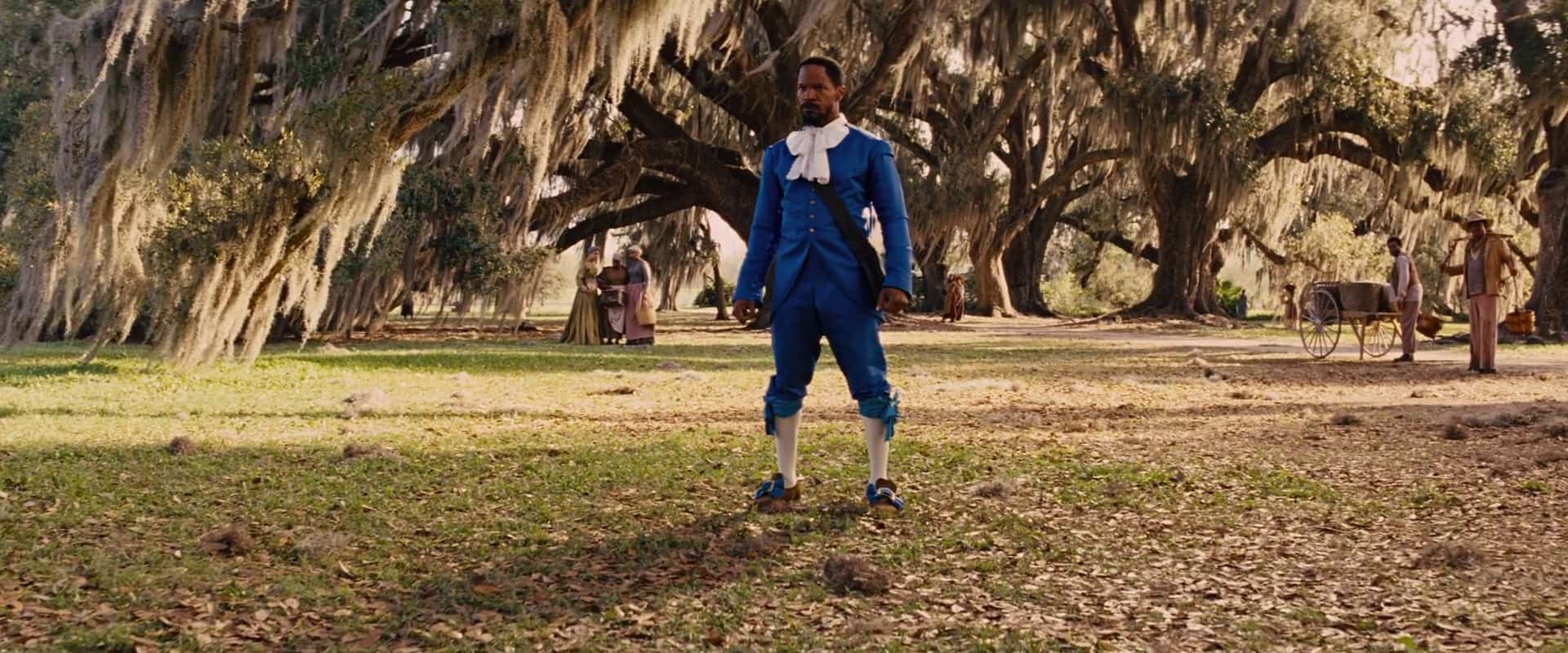
In photography, filmmaking and video production, a long shot (sometimes referred to as a full shot or wide shot) typically shows the entire object or human figure and is usually intended to place it in some relation to its surroundings. For example, this is a screen shot taken from Django Unchained.


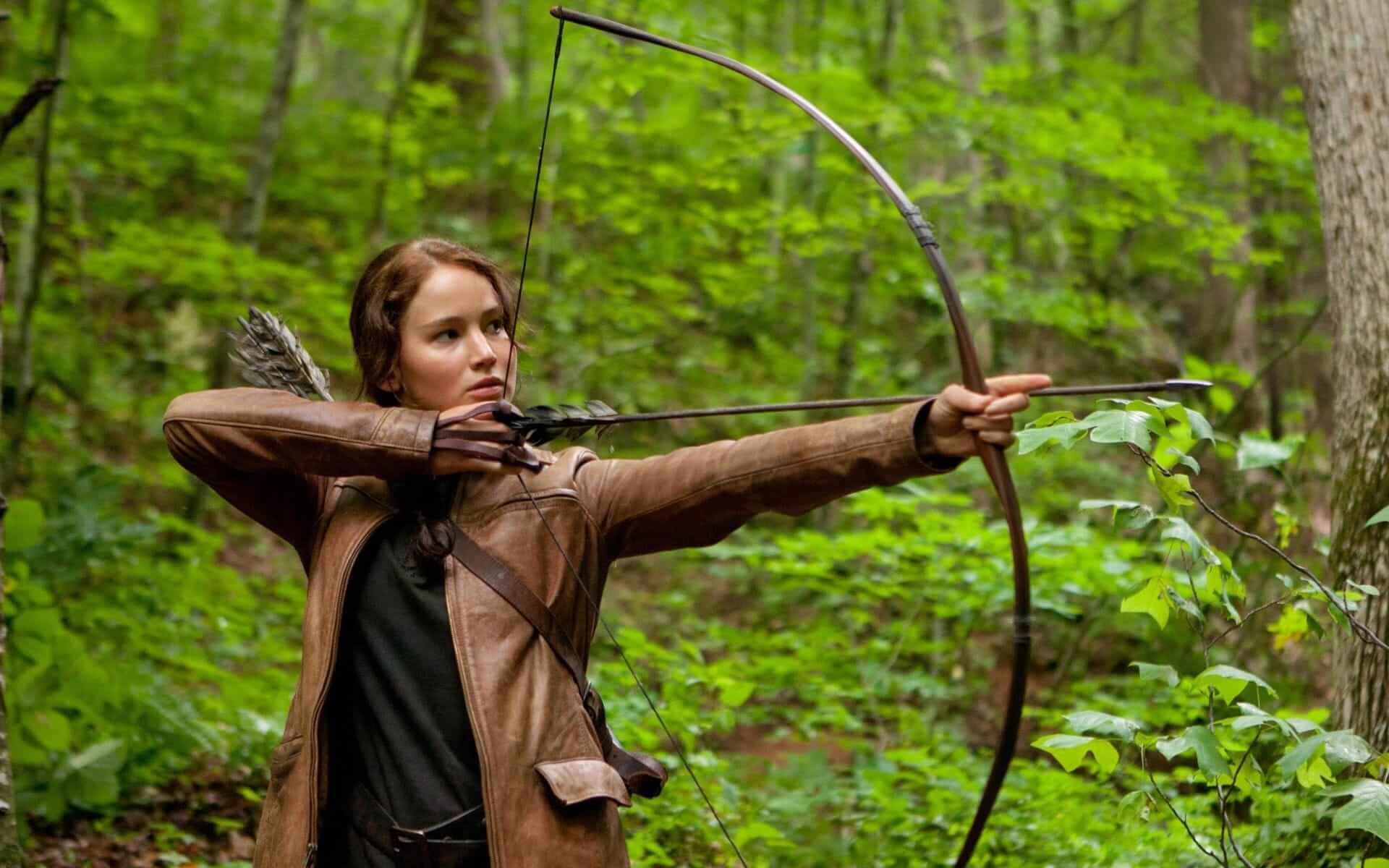
Image result for medium shotsMedium shot, a media shot is a general, all propose shot, medium shots are used for dialogue sequences, and they allow the viewer to pick up the characters movements and gestures. Body lanugue is important to conveying emotion and a medium shot remains close enough to capture that emotion. For example, this screenshot taken from the Hunger games Franchise.


Image result for medium close up shot example


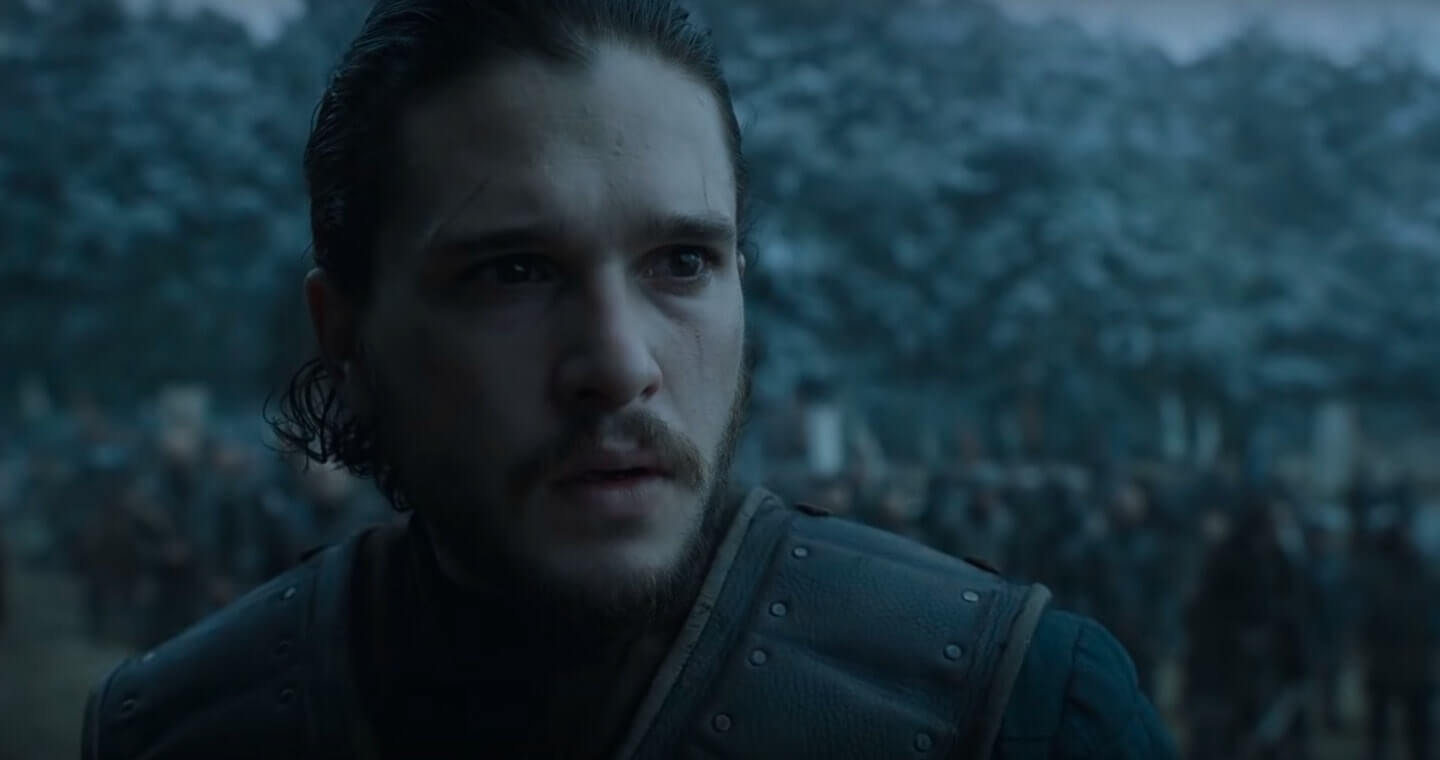
A close up in filmmaking, television, still photography an the comic strip medium is a type of shot that tightly frames a person or object. Close ups are one of those standard shots used regularly with medium and long shots in cinema. For example this screenshot taken from Harry Potter.


Image result for extreme close up shot


Extreme close up, this shot is used to show extreme detail. You would normally need a reason to get this close to a subject. It is too close to show general reactions or emotion except in very dramatic scenes. A variation of this shot is the choker.


Image result for point of view shot


A point of view shot (also known as a POV shot) is a short film scene that shows what the character(the subject) is seeing(represented through the camera).


Image result for over the shoulder shot


In film or video, an over the shoulder shot (or third person shot) is a shot pf something or someone taken from the perspective or camera angle from the shoulder of another person.


Image result for shot reverse shot
Shot reverse shot, is a film technique in which one character is shown looking at another character (often off screen) and then the other character is shown looking back at the original character.


Image result for 180 degree rule


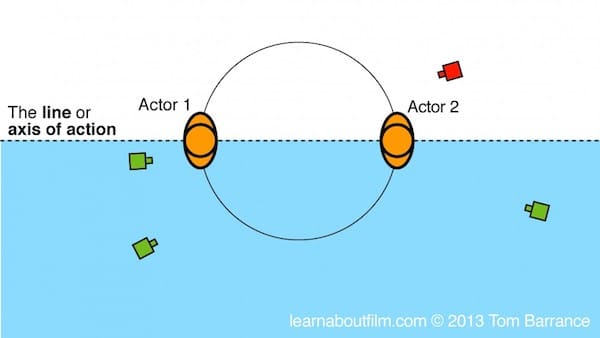
The 180° rule is a cinematography guideline in which a scene with two characters should maintain the same left/right relationship to another. Meaning, when the camera passes over the invisible axis connecting two subjects, it is called crossing the line and the shot becomes what's called a reverse angle.


Image result for rule of thirds media


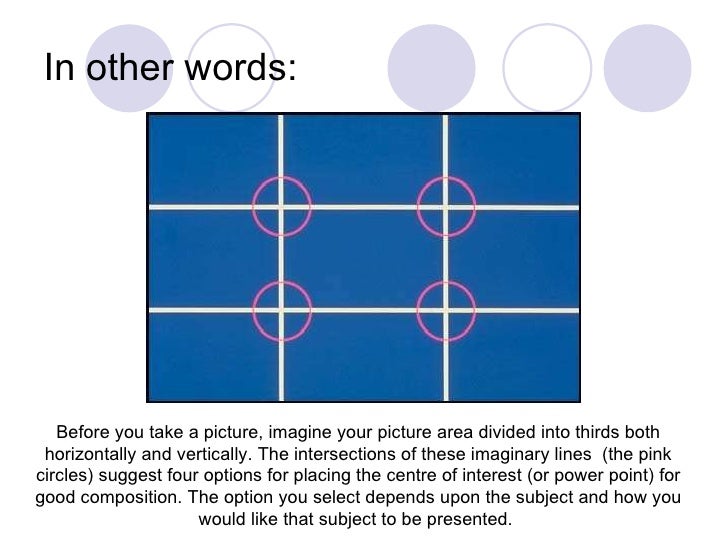
Rule of thirds, this is a concept in film and video in which the frame is divided into nine identical but imaginary section, these create reference points that help a director frame the shot.


Image result for eye level shot


An eye level shot is where the camera is positioned as though it is actually a human observing the scene, so that the actors' head are level with the focus and the camera will be placed roughly five to six feet from the ground.
Image result for birds eye worms eye


Birds eye, worms eye. A Viewpoint is the apparent distance and angle from which the camera views and records the subject. They also include the eye-level camera angle and the point of view shot. A high-angle shot (HA) is a shot in which the camera is physically higher than the subject and is looking down upon the subject.
Image result for high angle


A high angle shot is a cinematic technique in which the camera looks down on the subject from a high angle and the point of focus often gets 'swallowed up'. High angle shots can make the subject seem vulnerable or powerless when applied with the correct mood, setting and effect.


Image result for low angle


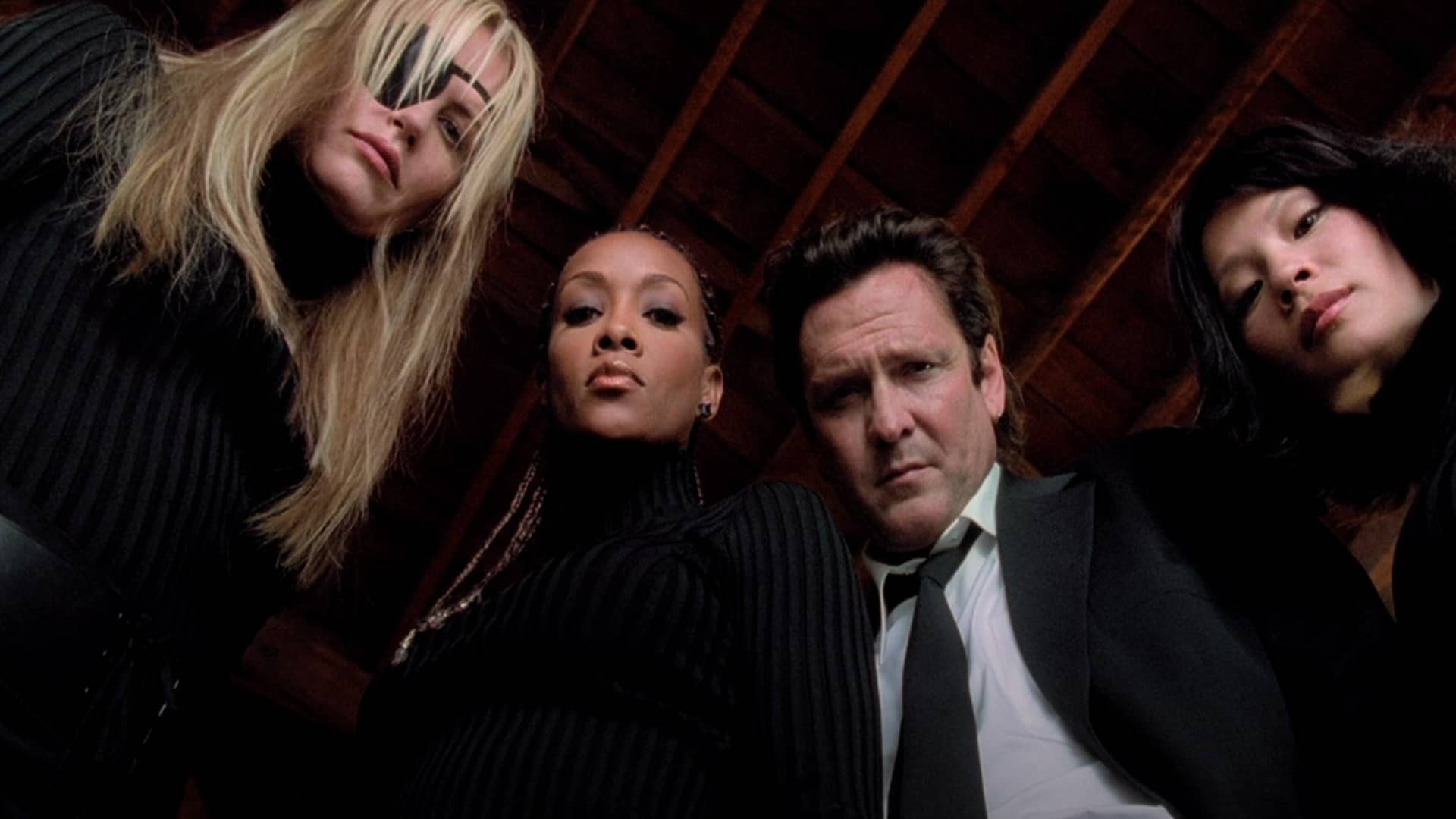
In cinematography, a low-angle shot, is a shot from a camera angle positioned low on the vertical axis, anywhere below the eye line, looking up. Sometimes, it is even directly below the subject's feet. Psychologically, the effect of the low-angle shot is that it makes the subject look strong and powerful.


Dutch tilt is a camera shot in which the camera angle is deliberately slanted to one side. This can be used for dramatic effect and helps portray unease, disorientation, frantic or desperate action, intoxication, madness, etc.


Image result for dollying shot


Image result for zooming shotA camera dolly is a wheeled cart or similar device used in filmmaking and television production to create smooth horizontal camera movements. The camera is mounted to the dolly and the camera operator and focus puller or camera assistant usually ride on the dolly to push the dolly back and forth.


Zoom Shot. A zoom is technically not a camera move as it does not require the camera itself to move at all. Zooming means altering the focal length of the lens to give the illusion of moving closer to or further away from the action. ... This is sometimes used for creative effect in the dolly zoom.


Image result for dolly zoom shotdolly zoom is a cinematic technique in which the camera moves closer or further from the subject while simultaneously adjusting the zoom angle to keep the subject the same size in the frame. The effect is that the subject appears stationary while the background size changes (this is called perspective distortion).Shallow focus is a photographic and cinematographic technique incorporating a small depth of field. In shallow focus one plane of the image is in focus while the rest is out of focusShallow focus is typically used to emphasize one part of the image over another.
Deep focus is a style or technique of cinematography and staging with great depth of field, using relatively wide-angle lenses and small lens apertures to render in sharp focus near and distant planes simultaneously. A deep-focus shot includes foreground, middle-ground, and extreme-background objects, all in focus.
Selective focus is when a portion of your image is in focus, and another portion is not. This is achieved by using a low aperture number, such as f/2.8 or f/3.5 - which produce shallow depth of field. ... Selective focus is a great technique for drawing the eye to your specific subject and creating a soft mood.

Wednesday, 23 January 2019

Emma Exam Notes

two hour written exam, five minutes early, afternoon half 3 until 5
Unit 5 - Specialist subject investigation, is that true or false, your own hypothesis on the subject, who is watching them
Primary research, qualitative and quantitative data (pie charts, graphs) - three pages of notes, size 10 font (can also be secondary)
secondary - quotes, reviews(some online research, look at magazines, books, newspapers, journals)
reference where you found everything, where you got quote or information, cross reference from P research to S research, focus on finding a pattern look for evidence in this pattern (look at reviews - sales at box office) Prove how valid this research is and that it is reliable
Analyze data, quotes, pie charts, justify analysis of that data - validate data but make sure its correct

Daily's

22nd May  On day one of shooting I drafted up a list of tasks that needed to be completed, this list will be followed during the whole of...